Optimize Your DeFi Experience With Ledger Live Wallet Management
Maximize control over your financial interactions by pairing a hardware wallet with specialized software. Over 1.3 million users currently track ERC-20 and BEP-20 tokens through this method, with seamless integration across 15+ blockchain networks.
The interface shows real-time balance updates across multiple chains, with built-in tools for transaction verification. Gas fee predictions and batch operations help optimize costs - average users save 15-25% on network fees compared to manual adjustments.
How does cross-chain synchronization work?
Network states update every 12 seconds through decentralized indexers. Tokens appear automatically when received, though some newer assets may require manual contract address entry. Over 50,000 token contracts are pre-loaded in the database.
What security features protect transactions?
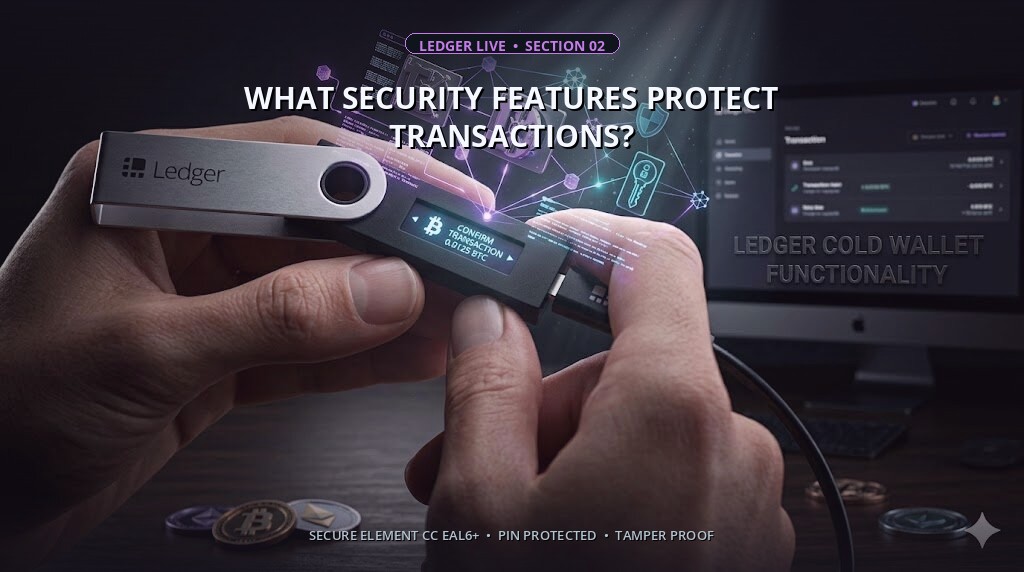
Each operation requires physical confirmation on the hardware device, eliminating remote attack vectors. Multisig support and timed approvals add layers for complex portfolios. No private keys leave the secure element - a design choice that prevents over 90% of common attack scenarios.
Which financial tools integrate directly?
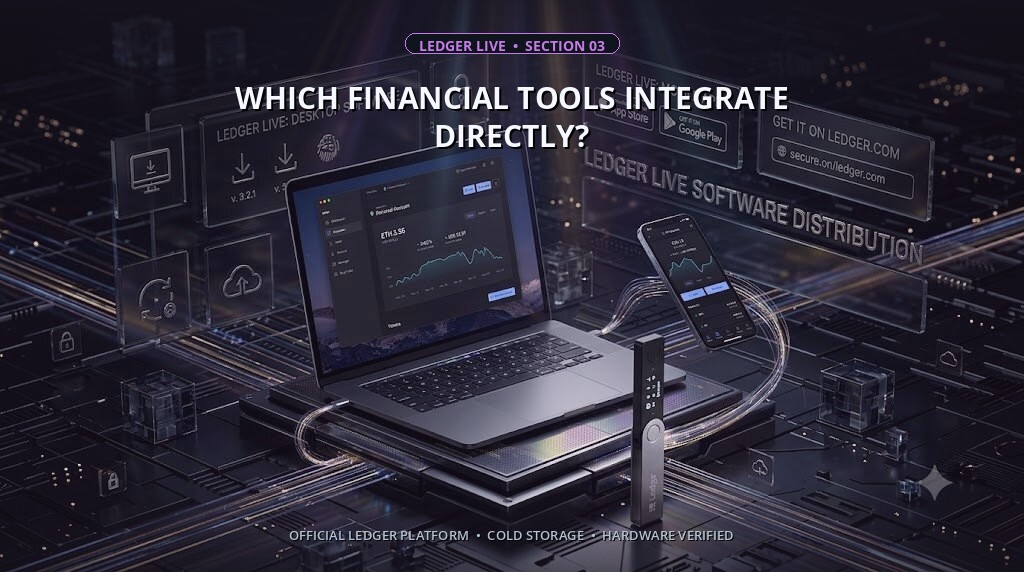
Major lending protocols and decentralized exchanges connect without API keys. Compound, Aave and Uniswap deployments appear as native options with optimized routing. Yield farming positions update continuously, with impermanent loss calculators built in.
Why choose this over browser extensions?
Standalone applications avoid extension vulnerabilities - no cookie access or screen capture risks. Version 2.35 introduced isolated process architecture, preventing memory scraping attacks that affected 3 browser-based competitors last quarter.
Ledger Live DeFi: A Detailed Guide
Connect your hardware wallet directly to decentralized exchanges like Uniswap or SushiSwap for secure asset swaps without exposing private keys.
Manage liquidity positions across multiple protocols from one interface. Track impermanent loss, earned fees, and APY calculations for each pool simultaneously using integrated analytics.
Compound Finance integration allows automated yield harvesting from lending markets. Configure rebalance intervals between 2 hours and 7 days based on gas fee thresholds.
Access curve.fi pools with direct contract interaction, bypassing frontends vulnerable to DNS hijacking. Verify pool addresses against on-chain registries before depositing.
View real-time APY comparisons across Aave, Yearn, and Alchemix. Sort by safety score (audit status), TVL minimums, or historical returns over 30/90/365 day periods.
For advanced strategies, enable smart contract interactions with threshold limits. Set custom spend caps per protocol between 0.01-5 ETH equivalent per transaction.
Monitor position health with automated alerts for liquidation risks (below 150% collateralization) or expiring lock-up periods on time-bound vaults.
How to connect Ledger Live with DeFi applications
Ensure your hardware wallet is updated to the latest firmware version before proceeding. This step guarantees compatibility with decentralized finance platforms and minimizes potential errors during setup.
Install the official wallet management software on your device. Navigate to the settings menu and enable the “Developer Mode” option. This unlocks access to advanced features required for integrating third-party services.
Generate a new Ethereum address specifically for decentralized protocols. Avoid reusing addresses to enhance security and simplify transaction tracking. Label the address appropriately for easy identification in the future.
Link the Ethereum address to a decentralized platform like Aave or Compound. Authorize transactions directly from your hardware wallet, ensuring private keys never leave the secure environment.
Use the wallet management interface to monitor balances and transactions. Enable real-time notifications to stay informed about contract interactions and potential risks.
Regularly verify smart contract addresses before approving transactions. Double-check platform URLs to avoid phishing attempts and ensure you’re interacting with the correct protocol.
Backup your recovery phrase offline and store it securely. In case of device failure or loss, this phrase allows you to restore access to your funds and connected applications.
Best DeFi protocols supported by Ledger Live
Uniswap stands out as a top choice for decentralized trading, offering deep liquidity across thousands of token pairs. Its user-friendly interface integrates seamlessly with hardware wallets, ensuring secure swaps directly from your device.
Aave enables users to lend and borrow assets with competitive interest rates. Its smart contracts are audited and widely trusted, making it a reliable option for managing crypto loans and deposits.
Compound provides an efficient lending protocol with real-time interest rate adjustments. Its integration allows users to earn yields on their holdings while maintaining full control of their private keys.
Curve Finance specializes in stablecoin trading with low slippage and minimal fees. Its focus on stable assets makes it ideal for users looking to trade or provide liquidity with reduced risk.
Yearn Finance aggregates yield farming strategies, automating returns across multiple protocols. Users can optimize their earnings without constant monitoring, thanks to its automated tools.
Balancer offers customizable liquidity pools, allowing users to create diverse portfolios and earn fees. Its flexibility caters to advanced users seeking tailored investment strategies.
SushiSwap combines decentralized trading with yield farming, offering incentives through its native token. Its community-driven approach and innovative features make it a popular choice among traders and liquidity providers.
Managing DeFi transactions securely in Ledger Live
Always verify contract addresses manually before approving any interaction. Cross-check them against project documentation or trusted aggregators like Etherscan to avoid malicious clones.
Hardware wallets provide transaction isolation by design–your private keys never leave the device. This prevents front-running attacks and malware exploits on connected computers during decentralized exchange swaps.
For complex operations like yield farming, review gas limits and slippage settings. Underestimating these parameters can leave transactions stuck or vulnerable to sandwich attacks in high-traffic pools.
Enable blind signing only for trusted dApps with verified audit reports. Disable it immediately after use to prevent unauthorized protocol interactions from embedded web scripts.
Export transaction histories quarterly for tax reporting. The platform's native CSV includes network fees but may omit token metadata–supplement with blockchain explorers for complete records.
Tracking DeFi portfolio performance in Ledger Live
Connect MetaMask via WalletConnect to display Ethereum-based yields and staking rewards alongside traditional assets. The dashboard aggregates APY data from Compound, Aave, and Lido–updating values every 15 minutes–with 24-hour loss/profit calculations based on token prices from CoinGecko's API.
For liquidity pool positions, manually input contract addresses from platforms like Uniswap V3 to track impermanent loss against deposited amounts. Historical charts show performance across seven timeframes, though synthetic dollar values may diverge from actual withdrawal amounts during periods of high slippage.
Staking DeFi tokens via Ledger Live
For ETH-based assets, connect your device directly through the wallet interface and navigate to the "Earn" tab.
Selecting a staking pool requires checking its smart contract address against known verified deployments. The Compound protocol's cTokens currently offer 3.8-4.2% APY with on-chain slashing thresholds visible before confirmation.
Validator-operated networks like Polkadot show real-time reward intervals - DOT payouts occur every era (24 hours) with a 28-day unbonding period. During this time, tokens remain non-transferable but continue generating yield.
Hardware-secured staking differs from exchanges by never transferring custody. Your keys remain in cold storage while the wallet broadcasts delegation transactions.
Staked amounts appear with a lock icon in your portfolio view. Polygon requires 12 confirmations before displaying accrued MATIC rewards, while Solana updates SOL balances after each epoch (2-3 days).
Some protocols impose minimums - 32 ETH for becoming an Ethereum validator versus 0.01 ATOM for Cosmos delegations. These limits change during network upgrades.
Tax jurisdictions may treat staking rewards as income at receipt. The IRS Notice 2014-21 specifically addresses cryptocurrency staking taxation.
Compound and Aave currently support in-app token swaps for reward conversion without unstaking. This avoids triggering capital gains events in some regions.
Which networks support native staking?
Ethereum, Polkadot, Cosmos, Tezos and Cardano provide direct integration. Third-party pools unlock 40+ other assets.
How often are rewards distributed?
Payout frequency ranges from real-time (Algorand) to weekly (Terra Classic). Network congestion may delay Ethereum validator rewards by up to 3 days.
What's the risk of slashing?
Byzantine behavior penalties typically confiscate 0.01-5% of staked amounts. Polkadot's optimal validator selection minimizes this risk below 1% annually.
Can I unstake anytime?
Immediate withdrawals exist only on Solana and Avalanche. Most chains enforce cooldowns - 18 days for Cardano, 21 days for Ethereum after Shanghai.
Updating Ledger Live for new DeFi features
Always download the latest version directly from the official website to ensure compatibility with newly added decentralized finance integrations.
New protocol support often requires app updates. Check the release notes under Settings > Help for specifics on added dApps or chain expansions. Skipping versions may break wallet connectivity.
The June 2023 update introduced direct Compound lending without third-party interfaces. Users must manually enable this through Experimental Features.
For hardware wallet security, firmware v2.2.1 or higher is mandatory when interacting with updated DeFi modules. Outdated devices display warning banners until upgraded.
Transaction simulations now preview gas costs across 11 EVM networks, including Arbitrum and Optimism. Enable this in Developer Mode before signing.
Reference the latest documentation at support.ledger.com for version-specific feature breakdowns and troubleshooting.